
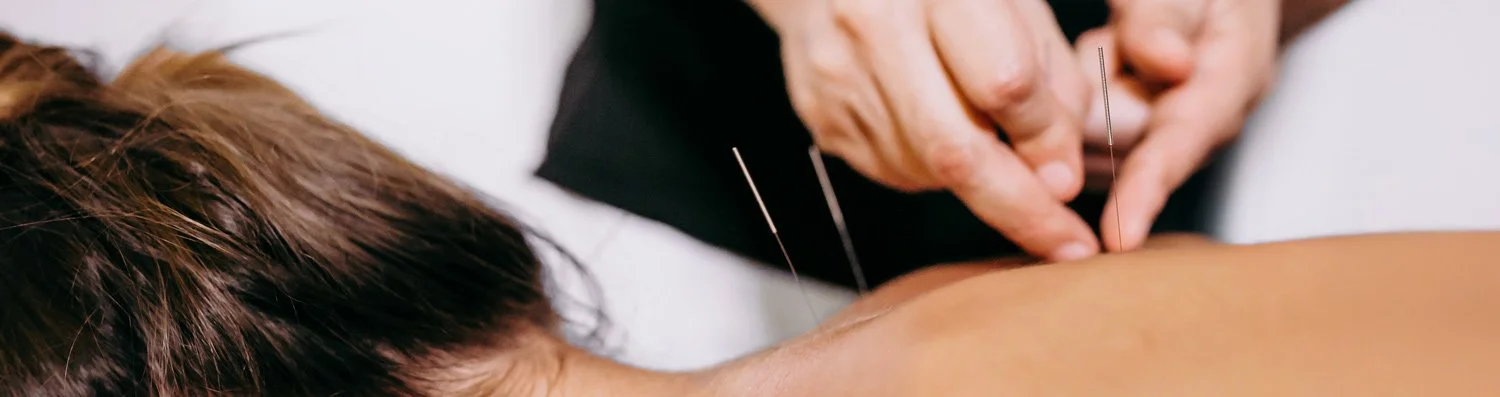
Dry Needling in Westport, CT
with Gregor Bertram, L.Ac.
Dry needling is a highly effective treatment used by our acupuncturist to help relieve muscle tension and pain, restore range of motion, and accelerate recovery. This targeted therapy addresses a wide range of conditions, from neck and back pain to plantar fasciitis, TMJ, tennis elbow, and headaches.
At Arogya, a personalized treatment plan may include dry needling, as well as e-stim (electroacupuncture), myofascial release, cupping therapy, and therapeutic massage with trigger point work, to help you feel better and move freely.
Acupuncture appointments are available Wednesday - Saturday.

Dry Needling vs. Acupuncture
Is dry needling the same as acupuncture?
Dry needling is a modern term for trigger point acupuncture. Releasing tight muscle knots using fine needles is a technique acupuncturists have practiced for centuries, long before the term dry needling entered mainstream use.
We offer dry needling as part of our acupuncture services in Westport, CT. Our licensed acupuncturist draws on over 15 years of experience and extensive training across Trigger Point, Japanese, Traditional Chinese, Balance Method, and Master Tung-style acupuncture to deliver safe, precise, and targeted relief.
What Is Trigger Point Dry Needling & How Does it Work?
Dry needling involves direct manipulation of tightly contracted muscle knots, or trigger points, to ease tension and reduce pain. Trigger points are highly sensitive, tender areas in your muscles and connective tissues that restrict movement and frequently cause referred pain felt elsewhere in the body. These points can form due to overuse, injury, stress, or poor posture.
During a dry needling session, trigger points are identified through manual palpation and acupuncture needles are inserted to encourage the cramped muscle to release into a relaxed state.
Conditions We Treat with Dry Needling
Dry needling is a versatile treatment that can benefit individuals dealing with pain, tension, and movement restrictions. Common conditions treated include:
Chronic muscle pain & tension
Neck, shoulder, or back pain
Tennis elbow & golfer's elbow
TMJ & jaw pain
Carpal tunnel syndrome
Tension headaches & migraines
Sports injuries & muscle strain
Plantar fasciitis
Sciatica pain
Hip pain (bursitis, degeneration, postoperative recovery)
Fibromyalgia
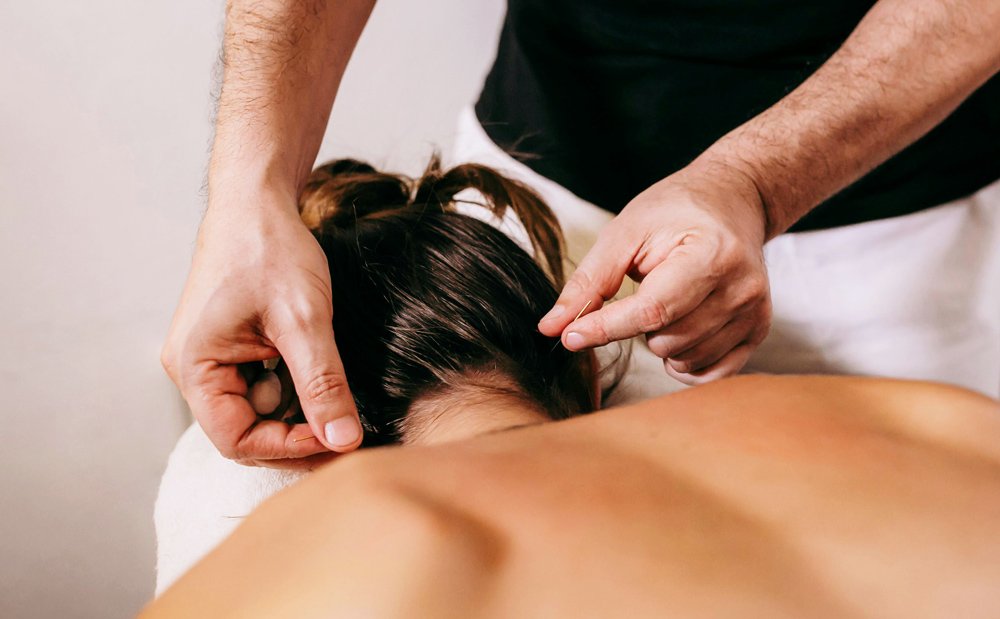
Acupuncture & Dry Needling Services
What's Included in Your Dry Needling Session
Your session may incorporate cupping, e-stim, and gua sha alongside dry needling to give you the most comprehensive care possible. Plan on the appointment lasting 1 hour (including the consultation and treatment). Our acupuncturist will select the most appropriate therapies based on your health history and goals.


Cupping Therapy
Cupping is a deep-tissue healing modality used in traditional Chinese medicine. Cups are applied to the skin using suction and placed in strategic locations, often on specific acupuncture points, or directly on or around the site of pain.
Cupping not only helps alleviate muscle spasms and tension but also stimulates Qi and blood circulation, facilitating the body's natural healing processes. This powerful treatment has a wide range of applications, such as detoxification, sports injury recovery, headache relief, and more.
Cupping is available as part of an Acupuncture treatment plan or Cupping & Massage Combo.

E-Stim (ElectroAcupuncture)
E-Stim, or electroacupuncture, enhances traditional acupuncture by gently stimulating acupuncture points with low-level electrical currents. Different frequencies are used to target various conditions, including chronic pain, inflammation, muscle tension, and neuropathy. The added electrical stimulation amplifies the body's natural response to acupuncture needles, often felt by the patient as a gentle tingling, pulsing, or buzzing sensation.
Electroacupuncture seamlessly blends ancient wisdom with modern technology, offering an innovative and effective treatment option.
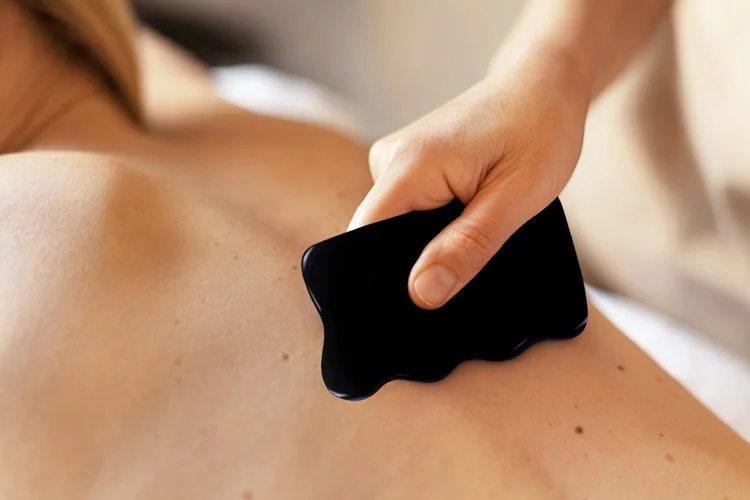
Gua Sha
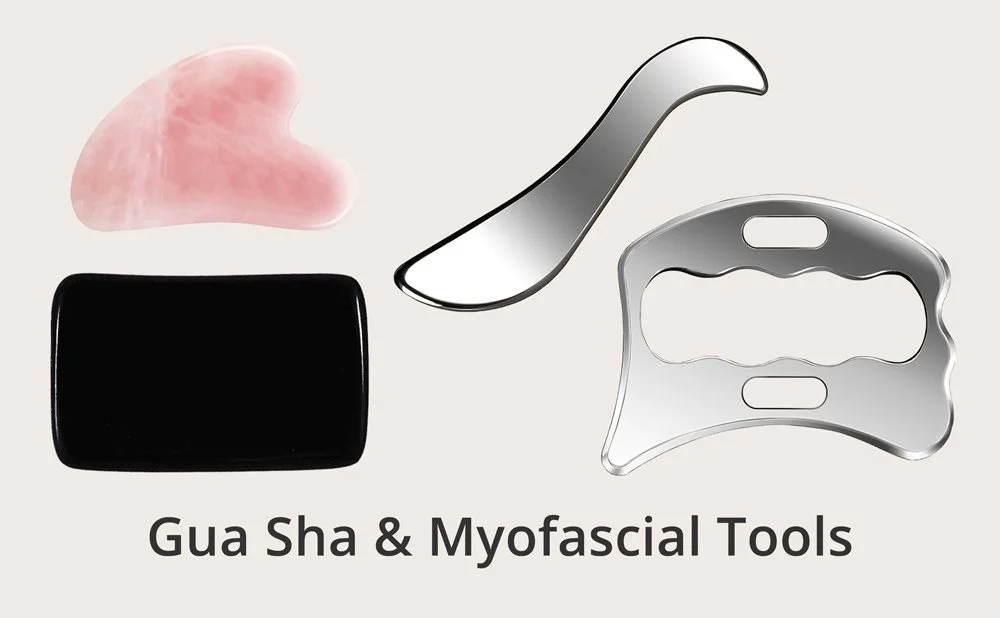
Depending on your individual needs and treatment plan, gua sha may be included in your session. This traditional technique involves applying gentle, repeated scraping strokes with a smooth tool to the body's surface. The term "gua" means to scrape, while "sha" describes the temporary, therapeutic redness that follows.
By addressing fascial restrictions and muscular tension, gua sha works to break down adhesions, stimulate circulation, and encourage healing—ultimately helping to alleviate discomfort and enhance mobility.
What to Expect
Prior to your appointment, you will be asked to fill out an intake form to identify your primary complaints and medical history, including current and past health issues. Acupuncture sessions typically last 1 hour.
-
• Arrival & Intake: First-time clients, please arrive 15 minutes early to allow ample time to complete the necessary intake paperwork. Returning clients, please aim to arrive 5-10 minutes early.
• What to Wear: We recommend wearing or bringing loose clothing (such as a T-shirt and shorts) that allows access to the arms and legs.
• Insurance & Superbills: We do not accept insurance; however, we can provide a receipt (superbill) that includes the necessary coding for you to submit to your insurance provider. We recommend verifying your specific acupuncture coverage and eligible conditions with your insurance prior to your visit.
-
• Initial Session & Consultation:
The initial session begins with an in-depth consultation during which a full health history is taken. Our acupuncturist will carefully review your intake form and assess your condition using palpation, pulse, and meridian diagnosis techniques to determine a personalized treatment plan. Specific acupuncture points will be selected to address your primary concerns.
• Follow Up Sessions:
During the follow-up session, our acupuncturist will evaluate your progress since the last session and adjust your treatment plan accordingly. The number of acupuncture treatments you need will depend on the type and severity of the condition being treated, as well as your overall health.
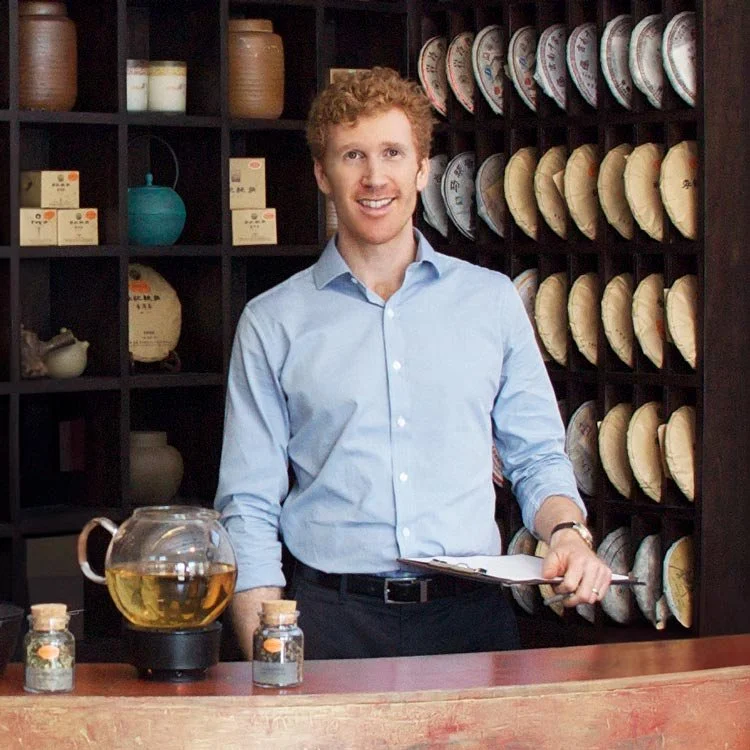
Meet Our Acupuncturist
Gregor Bertram, M.S., L.Ac., Dipl. AHM
Licensed Acupuncturist & NCBAHM Board Certified Herbalist since 2009.
Gregor Bertram is trained to diagnose and treat a variety of conditions according to traditional medical principles, fusing classical Chinese acupuncture with Japanese Hara diagnosis and contemporary pathophysiology for a comprehensive approach. The uniqueness of this style has found great success in treating some of the most chronic and complex disorders. Structural, hormonal, neurological, autoimmune, and psychological issues are treated with detailed care, while pain and discomfort are usually granted immediate relief.
His expertise spans a wide range of acupuncture modalities:
- Japanese Style
- Traditional Chinese
- Trigger Point (Dry Needling)
- Balance Method
- Master Tung-Style
Arogya Patient Reviews
With over 15 years of experience in acupuncture and Chinese medicine, Gregor Bertram, L.Ac., has supported many patients on their path to wellness. See what our patients have to say about the care they received and the results they experienced.
Additional Bodywork Treatments
Massage & Trigger Point Therapies
For patients dealing with deep-seated tension and chronic conditions, myofascial release and trigger point therapies work alongside dry needling and acupuncture to address restrictions in the muscles, fascia, and connective tissue. Each session with our licensed massage therapists is tailored to your specific needs and goals.
Myofascial Release (MFR) Therapy
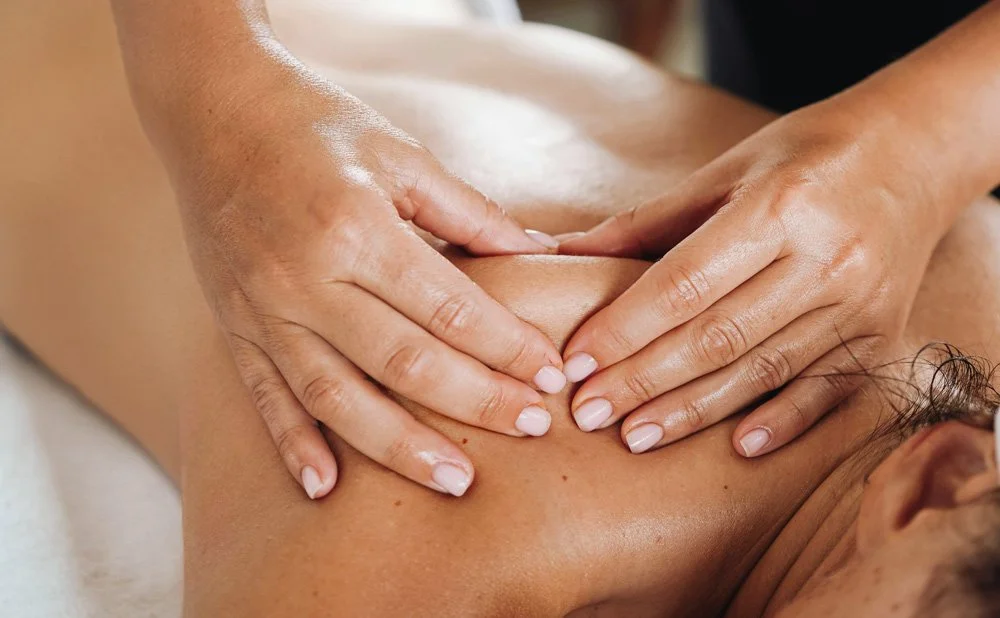
Myofascial release (MFR) is a specialized massage technique that focuses on relieving tension in the fascia, the complex network of connective tissue that surrounds and supports every muscle, organ, and nerve throughout the body.
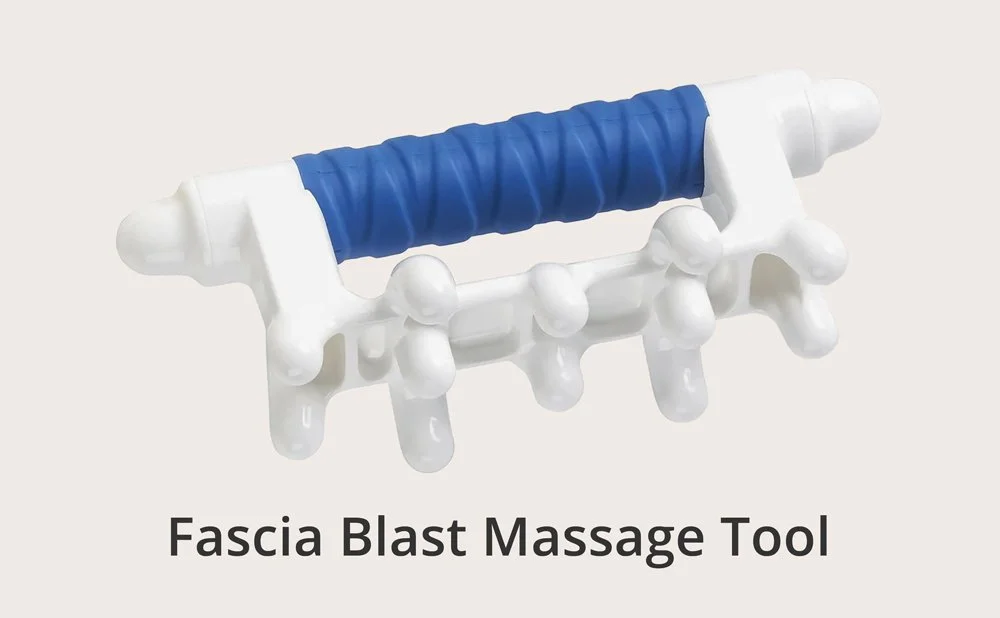
This treatment involves sustained holds, stretching, and targeted pressure on areas of tightness or adhesions to help alleviate pain and restore range of motion and mobility. Our therapists will also use fascia massage tools to enhance your treatment.
Myofascial release is commonly used to treat chronic pain, sports injuries, postural imbalances, and TMJ.
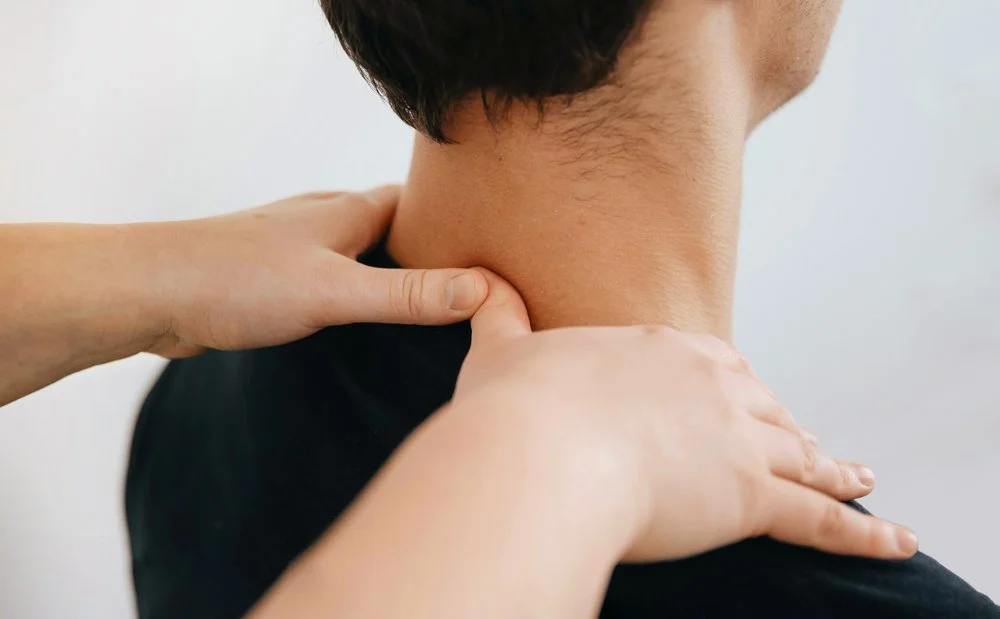
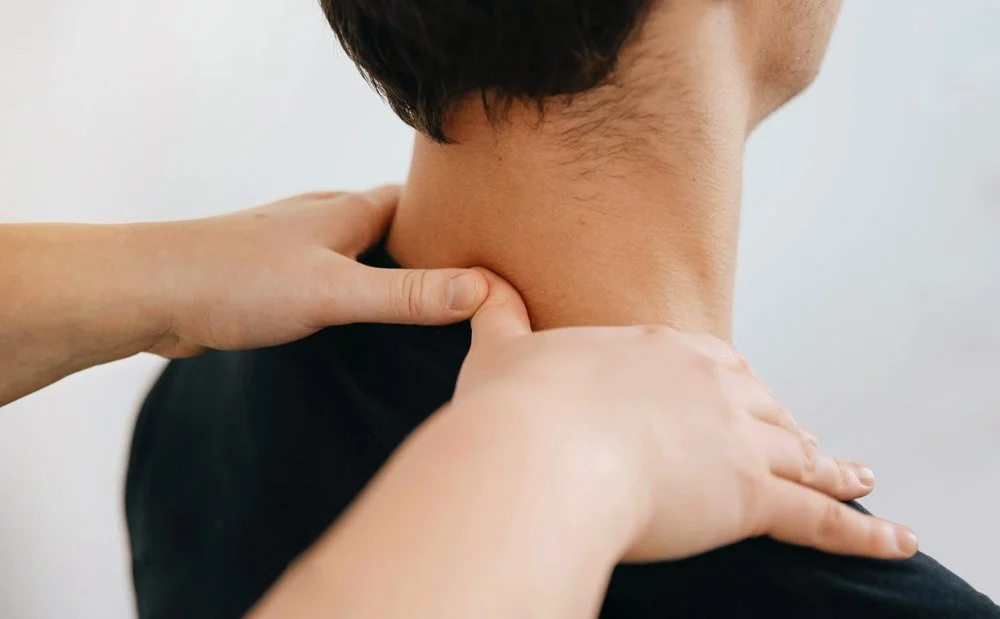
Tuina & Acupressure
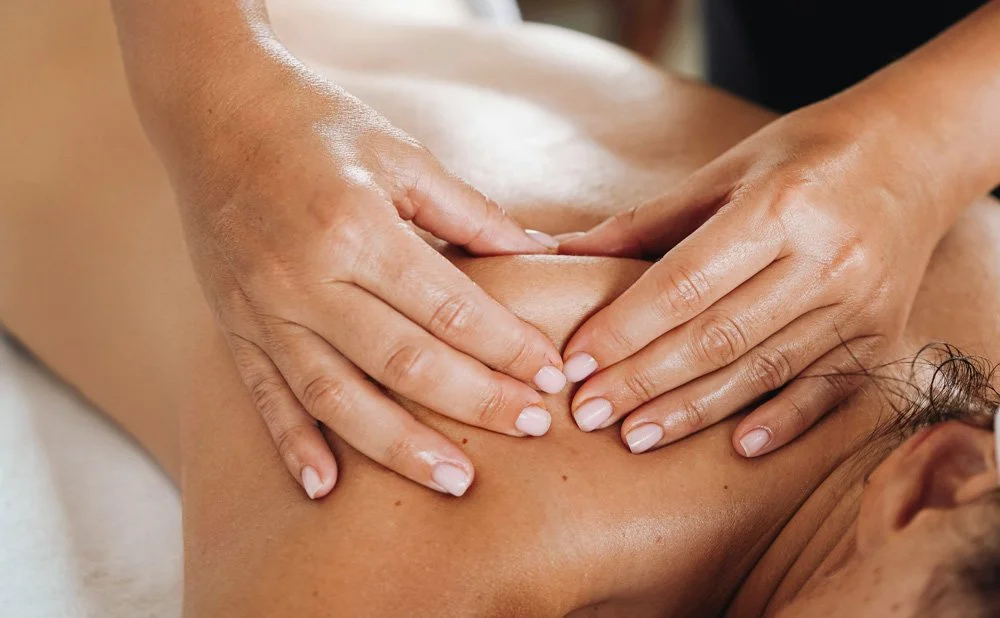
Acupressure is rooted in the same principles as acupuncture but involves manual pressure instead of needles. Our practitioner will apply steady, sustained pressure to specific acupoints to restore energy flow and help release and soften the fascia.
The fascial system is one continuous network, so an imbalance in one area can cause referred pain in another, seemingly unrelated spot. Both acupressure and acupuncture can help address myofascial restrictions by providing relief not only where they are applied, but also in connected areas of the body.
Cupping Therapy & Massage Combo
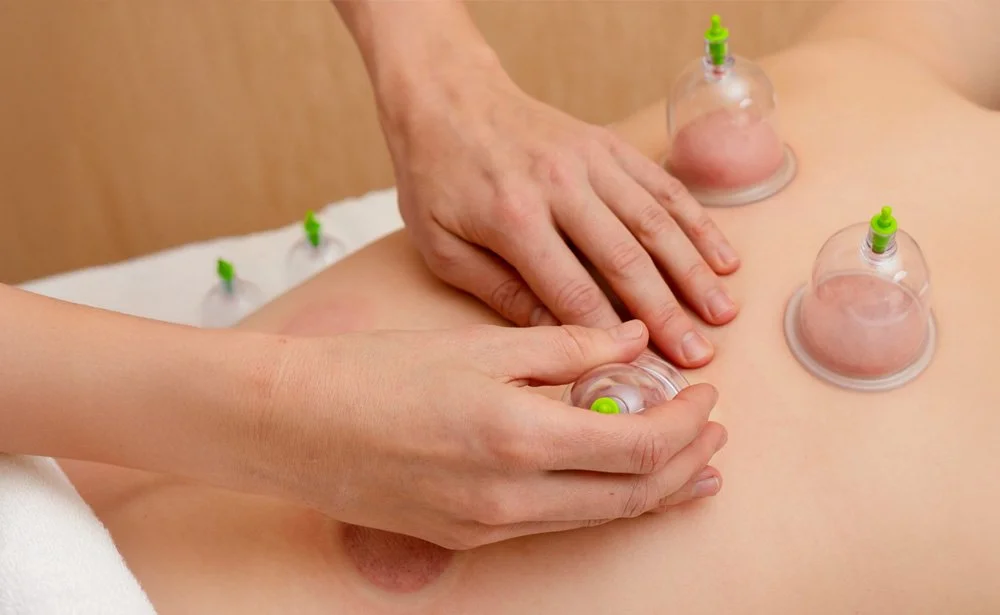
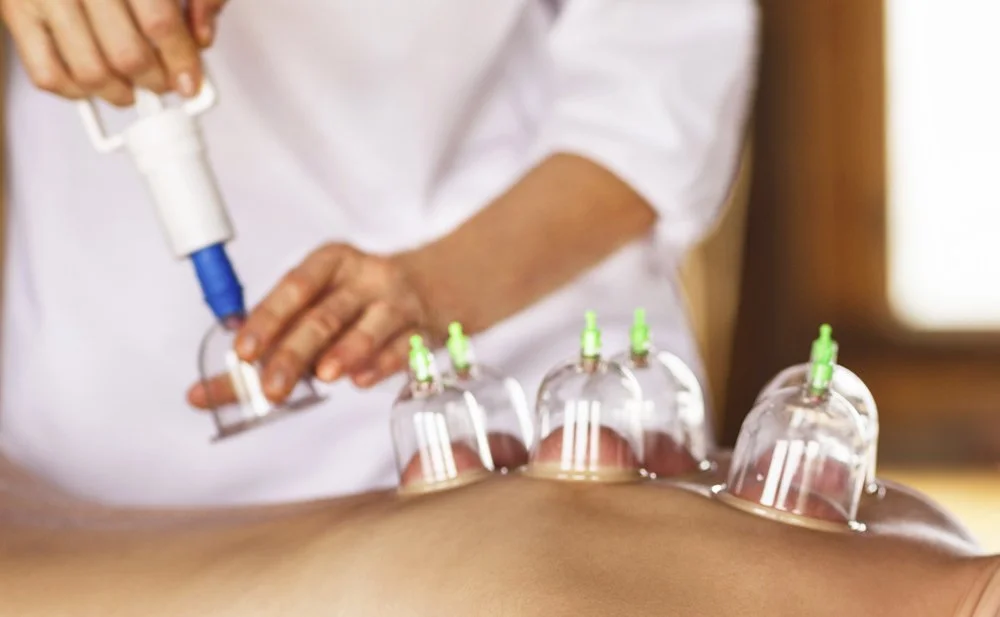
Experience the benefits of two powerful healing modalities in one session. During cupping therapy, cups are applied to the skin using suction and the negative pressure draws the skin and muscle tissue upwards. This technique may help stretch and release tension in the fascia, softening tight muscles and stimulating Qi and blood circulation.
This combined treatment is especially helpful for people with chronic back, neck, or shoulder pain, as well as athletes who want to reduce muscle soreness and improve recovery time.
Dry Needling FAQs
-
Call us at (203) 226-2682 or send an email to info@arogya.net and we will be happy to find a time that works for you!
-
Dry needling, also known as trigger point acupuncture, involves direct manipulation of tightly contracted muscles, or knots, that can cause pain throughout the body. Acupuncture needles are used to ease tension and encourage cramped muscles to release into a relaxed state.
-
While dry needling has gained mainstream popularity in recent years, it is not a new or separate discipline. It is the modern, Western term for trigger point acupuncture, a technique licensed acupuncturists have relied on for thousands of years to locate tender muscle knots and release deep-seated physical tension.
The American Medical Association (AMA) has formally stated that dry needling is "indistinguishable from acupuncture" and should only be performed by licensed practitioners. Both dry needling and acupuncture rely on inserting fine, sterile needles directly into tight tissue to disrupt pain signals, stimulate local blood flow, and restore normal movement to the body.
The true difference comes down to the depth of practitioner training and care. At Arogya, dry needling is offered directly within our acupuncture services and performed by a licensed acupuncturist with thousands of hours of rigorous clinical experience. By combining precise trigger-point work with Japanese, Traditional Chinese, Balance Method, and Master Tung-style acupuncture, we don't just target localized muscle tension, we treat the whole body to support lasting relief and recovery.
-
You should expect your session to be a very relaxing and pain-free experience. Acupuncture needles are in no way similar to needles used for shots or injections. They are fine, flexible, and no thicker than a strand of hair. Most acupuncture needles are up to 100 times smaller than the typical medical syringe and do not feel painful when they are inserted.
It is normal to feel a slight pinch as the needles are tapped in and a slight ache or heaviness near the needle placement. This is indicative that the body is engaging productively and that energy in your body is being activated. If you experience any prolonged pinching, burning, or sharpness, please let your practitioner know so that the placement of the needle can be adjusted.
-
For acute conditions, patients may experience results within a few sessions. Chronic health issues may require 12 or more treatments for significant changes to settle in. This question is best addressed during your first session.
-
Electroacupuncture, also known as E-Stim or Electric Stimulation, is a modern variation of acupuncture where mild electrical currents are applied to the needles.
While traditional acupuncture relies on your practitioner’s manual technique to stimulate acupoints, electroacupuncture provides a continuous and controlled level of stimulation for enhanced therapeutic effect.
-
Yes, electroacupuncture is generally considered safe when performed by a licensed practitioner. However, it is not recommended for individuals with pacemakers or other implanted electronic devices. Patients with severe heart conditions or seizure disorders should consult their physicians before considering this therapy.
-
For the most part, patients feel calm and sleepy when the needles are in place. Some report feeling either heavier or lighter and many fall asleep during treatment.
-
Currently, we are not contracted with any insurance companies but are happy to print out a superbill that you can submit to your insurance company for reimbursement.
-
Refrain from eating a large meal before or after your visit. Wear clothing that is loose and comfortable. If you are coming from work, please feel welcome to bring a change of clothes and you can change clothing here prior to your visit. Please do not consume alcohol or recreational drugs prior to your visit as they may affect your ability to assess the treatment.
-
There is ample parking in downtown Westport. Many of our clients will park on the Post Road, Church Lane, or in the public parking lot behind the Bank of America.

Looking for trigger point dry needling in Westport, CT?
Proudly serving Fairfield County, CT, and NY.
Our wellness center is conveniently located on Post Road East in downtown Westport, CT.
To book an acupuncture and dry needling session, please send an email to info@arogya.net or give us a call.
Initial Session $240 / Follow Up Sessions $200