
TMJ Treatments
Acupuncture • Buccal TMJ Massage • Myofascial Release • Yoga
Holistic Support for TMJ Pain & Tension
Addressing the underlying causes of TMJ discomfort—muscle tension, stress, and posture.
Jaw pain, headaches, and facial tension aren’t symptoms you have to simply live with. We offer supportive therapies designed to relax tense muscles, release trigger points, and address posture and stress-related habits that can contribute to TMJ disorders.
TMJ treatments at Arogya include Acupuncture, NeoLifting® Buccal Massage, Myofascial Release (MFR), and Private Yoga.
All Services
TMJ/TMD Therapy in Westport, CT
Your personalized care plan may include acupuncture, buccal TMJ massage, myofascial release, and one-on-one yoga sessions. These therapies aim to address both jaw pain and the underlying triggers, helping you regain comfort and mobility. We focus on non-invasive, holistic support for those navigating TMJ issues.
Acupuncture for TMJ
Trigger Point Acupuncture (Dry Needling)
Acupuncture offers a holistic approach to jaw tightness and stiffness, addressing both trigger points and the underlying stress-related patterns that contribute to clenching and teeth grinding.
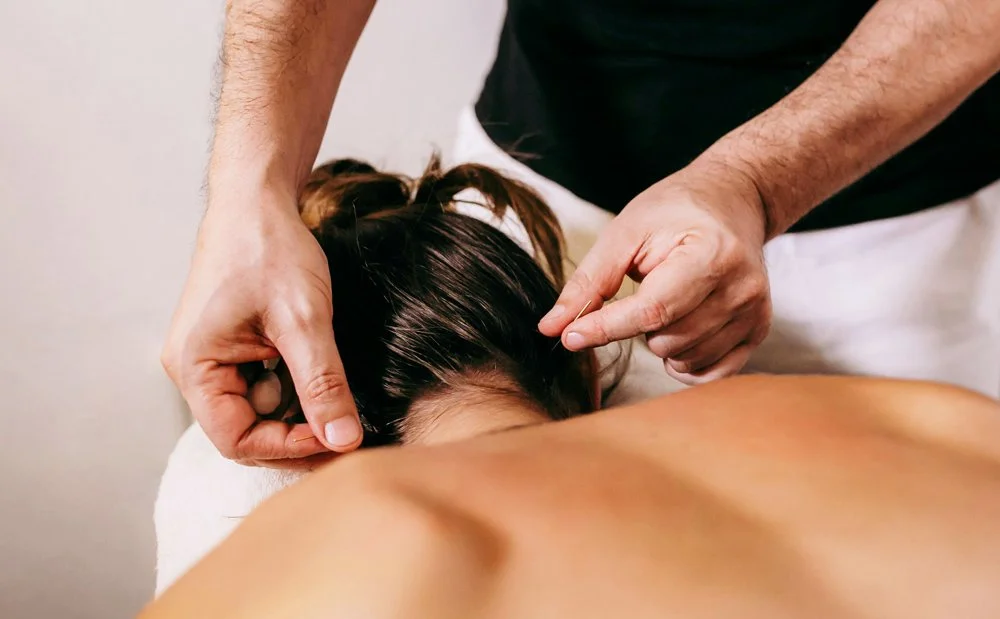
During an acupuncture session, fine needles are placed at specific points on the body to help relax tense muscles, reduce inflammation, calm the nervous system, and relieve pain naturally.
For people living with TMJ discomfort, acupuncture may help break the cycle of pain, limited range of motion, and associated tension headaches.
NeoLifting Facial & Buccal TMJ Massage
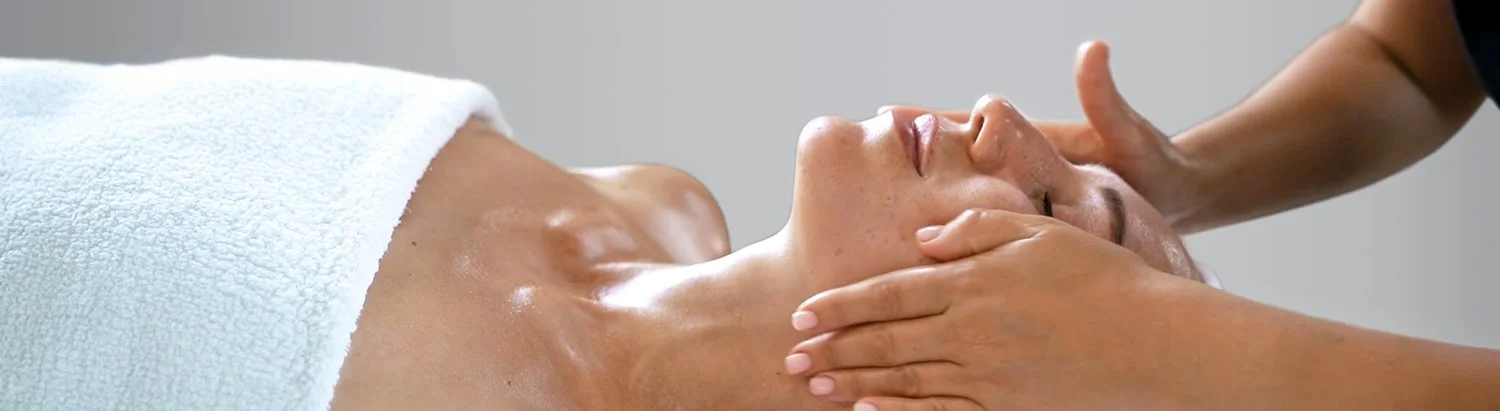
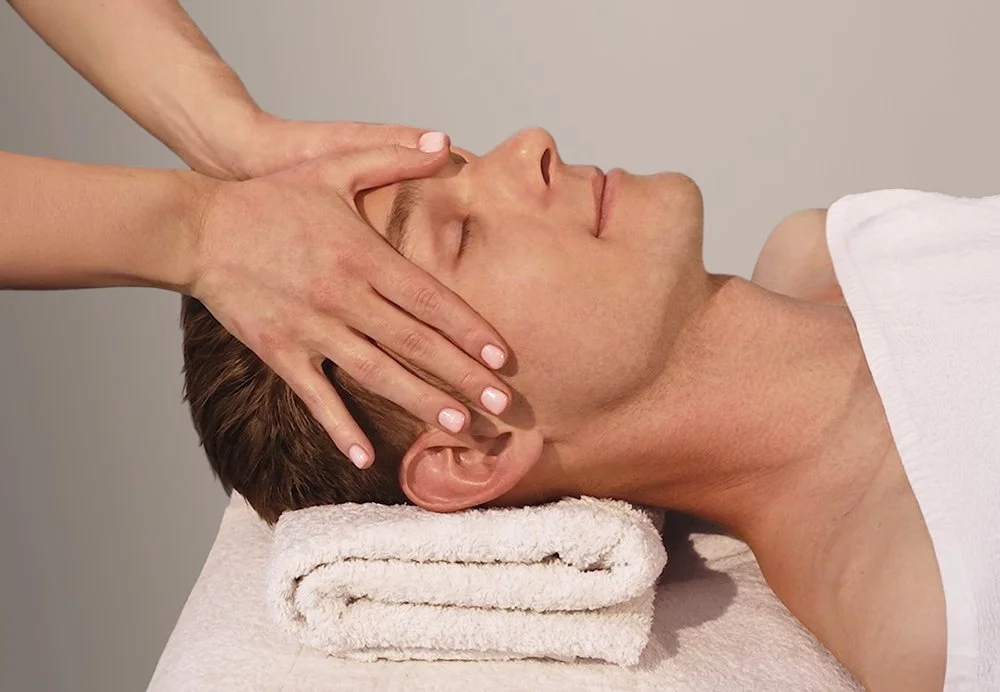
NeoLifting® offers a gentle, non-invasive approach to managing TMJ pain. This deeply relaxing treatment combines several techniques to release built-up facial tension and tight jaw muscles, including buccal massage and manual lymphatic drainage. The 90-minute session also includes a soothing head, scalp, neck, and shoulder massage.
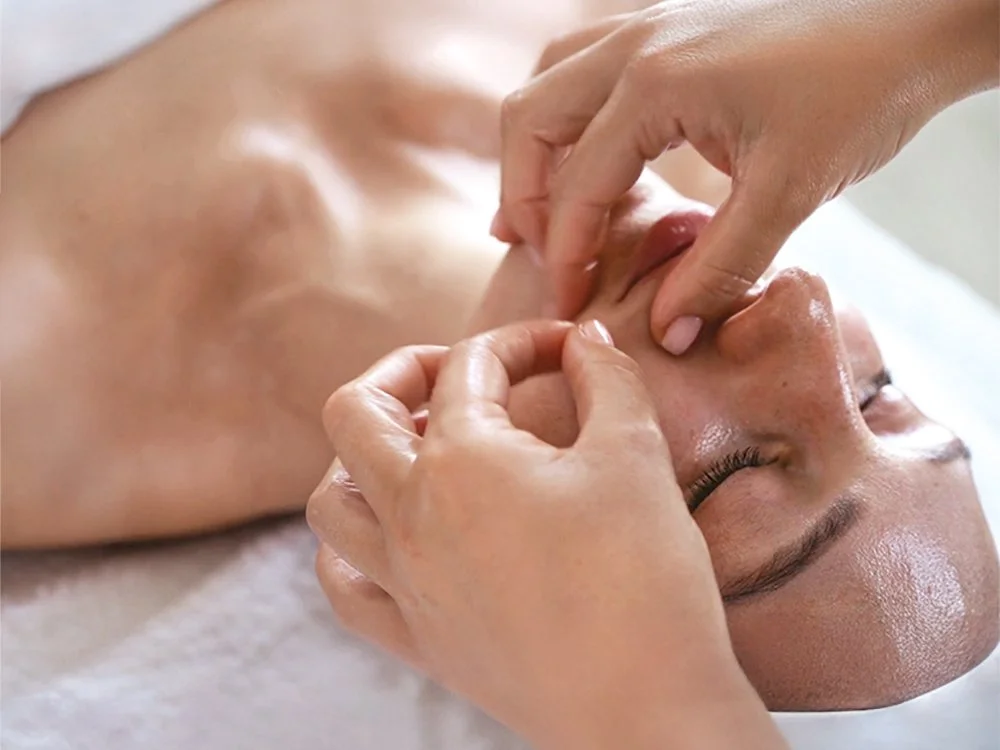
Buccal massage, often called the “inside-out” facial, is a key part of the NeoLifting® protocol. This advanced technique targets the cheek and jaw muscles (both inside and outside of the mouth) to help release deep-seated tension.
The benefits of NeoLifting® extend beyond addressing TMJ discomfort, helping to reduce stress while leaving the face feeling refreshed, naturally lifted, and more defined.


Myofascial Release (MFR) Therapy
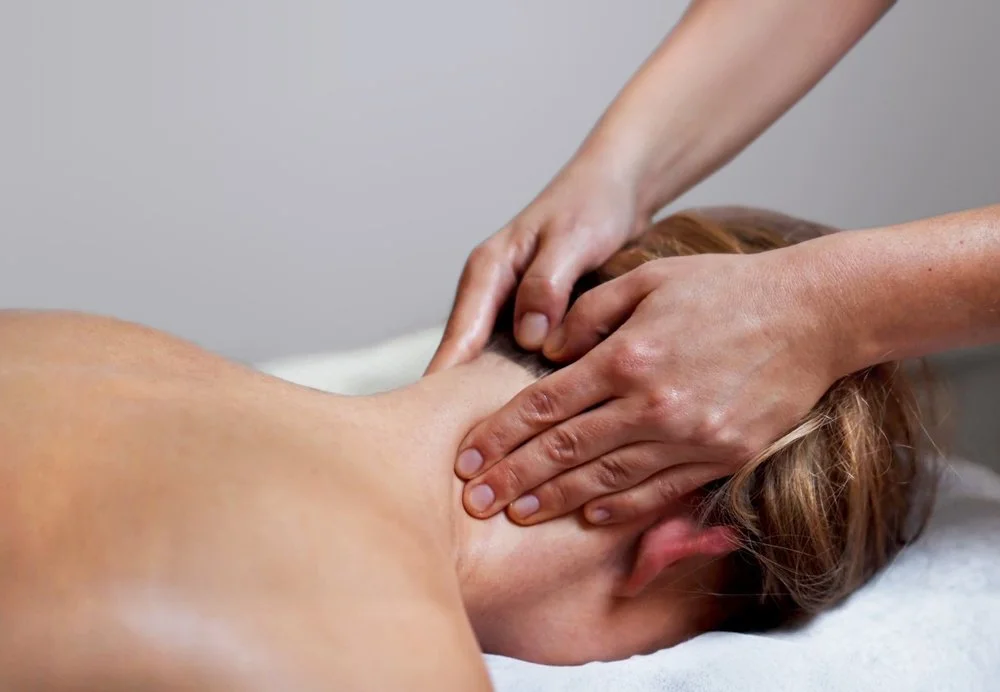
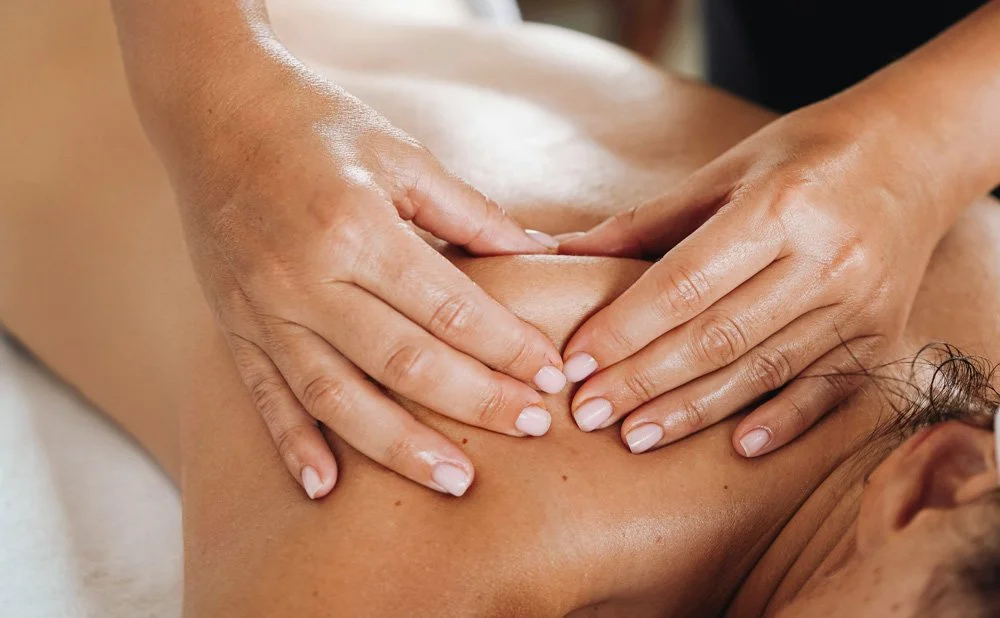
Myofascial release (MFR) is a specialized massage technique that focuses on easing tension in the fascia, which can contribute to stiffness, discomfort, and restricted jaw movement. Our therapists use a combination of hands-on techniques and fascia massage tools to gently stretch and release areas of chronic tightness.
Because the fascial system is interconnected, tension held in the neck and shoulders can contribute to strain in the jaw. Releasing these restrictions may help improve jaw mobility while reducing postural imbalances that can perpetuate TMJ-related discomfort.
Private Yoga
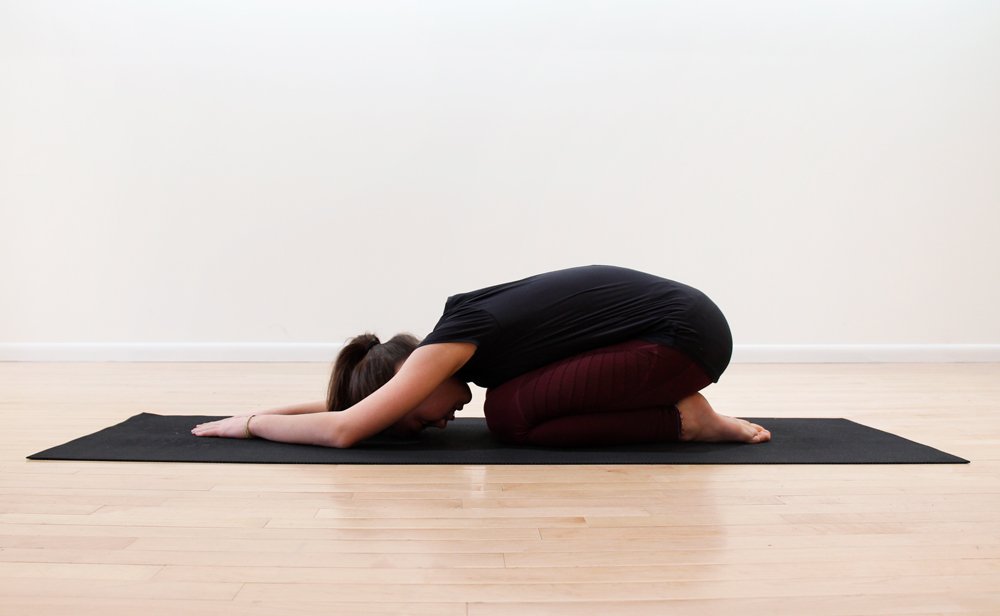
Yoga sessions for TMJ patients focus on building the structural mobility and flexibility needed for smooth, pain-free movement.
TMJ pain is often linked to poor posture and misalignment of the pelvis, spine, and shoulders, which can create compensatory strain in the jaw muscles and joints. By strengthening and lengthening the muscles of the neck, shoulders, and upper back, yoga helps reduce chronic stiffness and tension. With consistent practice, the body can begin to move more freely and comfortably.
The meditative aspects of yoga can also help relieve stress, which is another common contributor to jaw clenching and tightness.

Understanding TMJ Disorders
What Is TMJ?
TMJ stands for the temporomandibular joint, or the jaw joint. There is one joint on each side of the face, located near the ears. These joints act like a sliding hinge, connecting the jawbone to the skull.
The TMJs are among the most complex joints in the body. They operate simultaneously and allow all the mobility necessary for chewing, talking, swallowing, yawning, and making facial expressions.
What Is TMD?
Temporomandibular joint disorders (TMD) are conditions that cause pain and dysfunction in the muscles and joints that control jaw movement. Some individuals experience pain on one or both sides of the face, while others notice clicking or limited jaw movement. TMJ disorders may present as temporary discomfort or develop into a long-term condition requiring ongoing care.
What Causes TMD?
In many cases, the exact cause of TMJ issues may be difficult to determine. There are several factors that can contribute to TMD, including:
Trauma: Injuries, strains, or repetitive stress to the jaw can cause muscle tension and joint discomfort.
Posture: Poor posture, especially in the neck and shoulders, places the jaw at an unnatural angle, straining the supporting ligaments and muscles.
Stress: Emotional stress often manifests physically as bruxism (teeth grinding or clenching), which can cause jaw pain and headaches.
Common Signs & Symptoms of TMJ Disorders
Many people live with TMD without realizing it. If you experience any of the following, our supportive therapies may help provide relief:
Jaw pain or muscle soreness
Clicking, popping, or grinding when opening/closing the mouth
Difficulty chewing or limited range of motion when eating
Frequent tension headaches or ringing in the ears (tinnitus)
Neck, shoulder, or upper back pain
Facial tightness or tension
How Does Buccal Massage Work?
During a buccal massage, your practitioner will work on the muscles of the face and jaw from both inside and outside the mouth. This dual approach targets superficial and deep facial muscles, including the masseter, buccinator, and pterygoids, to help release tension and ease jaw tightness often associated with TMD.
Westport Wellness Team
Meet Our Licensed Practitioners
Our team of licensed practitioners is committed to helping you find relief from pain, stiffness, and mobility limitations. We will work with you to create a treatment plan that supports your journey toward greater comfort and freedom of movement.

TMJ Treatment FAQs
-
Call us at (203) 226-2682 or send an email to info@arogya.net and we will be happy to find a time that works for you!
-
A 60-minute NeoLifting® session includes manual lymphatic drainage and a buccal (intra-oral) massage. The 90-minute NeoLifting® session also includes a soothing head, scalp, neck, and shoulder massage.
-
Buccal massage is an intra-oral facial technique in which a trained practitioner massages the facial and jaw muscles from both inside and outside the mouth. This dual approach targets both superficial and deep facial muscles to help release tension and relax tight jaw muscles that may contribute to TMJ discomfort.
-
Buccal massage may help relax tight or overworked facial muscles, including those responsible for chewing and jaw movement. Because muscle tension in this area frequently contributes to TMJ discomfort, many patients find that it offers noticeable relief. While it works well as part of a broader care routine, buccal massage is a supportive therapy and is not a cure for TMD or a substitute for professional medical treatment.
-
Myofascial Release (MFR) involves sustained holds, stretching, and firm, targeted pressure. You may experience some temporary discomfort or tenderness, particularly when your therapist is working on very tight areas of fascia, but the pressure should never be unbearable. Let your massage therapist know if anything feels uncomfortable and they will adjust the treatment intensity.
-
It’s common to experience mild muscle soreness or fatigue after a Myofascial Release session as your body adjusts to the release of tension. Following your appointment, we recommend getting plenty of rest, staying well-hydrated, and avoiding strenuous activity for the remainder of the day.
-
Yes, you can schedule a massage appointment the same day you get acupuncture.
Acupuncture and massage are complementary therapies that address both the physical and energetic aspects of the body. When received in back-to-back sessions, the individual benefits of each therapy can be amplified.
Acupuncture can be done either before or after a massage. Your therapist will assess your condition to determine which order best suits your needs.
-
You should expect your session to be a very relaxing and pain-free experience. Acupuncture needles are in no way similar to needles used for shots or injections. They are fine, flexible, and no thicker than a strand of hair. Most acupuncture needles are up to 100 times smaller than the typical medical syringe and do not feel painful when they are inserted.
It is normal to feel a slight pinch as the needles are tapped in and a slight ache or heaviness near the needle placement. This is indicative that the body is engaging productively and that energy in your body is being activated. If you experience any prolonged pinching, burning, or sharpness, please let your practitioner know so that the placement of the needle can be adjusted.
-
For acute conditions, patients may experience results within a few sessions. Chronic health issues may require 12 or more treatments for significant changes to settle in. This question is best addressed during your first session.
-
Currently, we are not contracted with any insurance companies but are happy to print out a superbill that you can submit to your insurance company for reimbursement.
-
There is ample parking in downtown Westport. Many of our clients will park on the Post Road, Church Lane, or in the public parking lot behind the Bank of America.
Looking for TMJ treatments in Westport, Connecticut?
Proudly serving Fairfield County, CT, and NY.
Our wellness center is located on Post Road East in downtown Westport, CT.
To book a session with one of our licensed therapists, please send an email to info@arogya.net or give us a call.
Initial Session $240 / Follow Up Sessions $200